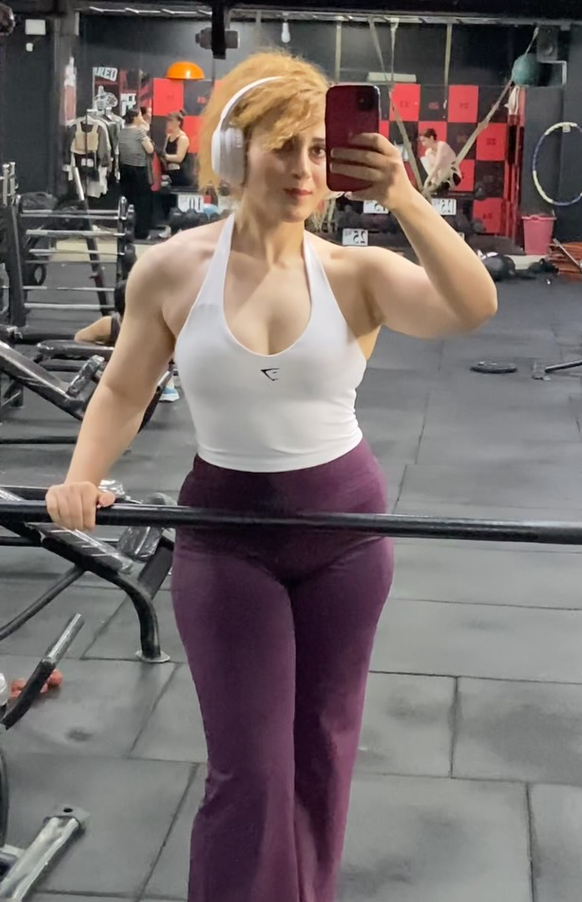
finding training
How to Start Strength Training as a Complete Beginner
How to Start Strength Training as a Complete Beginner
Strength training builds muscle, bone density, metabolic health, and confidence. It's the most effective investment you can make in your physical capacity, whether you're twenty-five or seventy-five. But if you've never trained with weights, the gap between knowing it's valuable and actually starting can feel enormous.
This guide walks you through how to start strength training as a complete beginner — from choosing your first gym or coach to programming your first eight weeks. No fluff, no intimidation. Just the practical steps that get you moving safely and consistently.
Why Strength Training Matters for Beginners
Strength training increases lean muscle mass, which elevates your resting metabolic rate. It improves insulin sensitivity, reduces injury risk, and builds the physical foundation that supports every other activity you care about — from hiking to playing with your kids to aging with independence.
Beginners respond faster to training than anyone else. Your body has never been asked to lift progressively heavier loads, so the adaptation curve is steep and rewarding. Most people see measurable strength gains within four to six weeks.
Strength training also builds psychological resilience. The practice of showing up, tracking progress, and doing hard things translates beyond the gym.
Step 1: Decide Where You'll Train
You have three main options:
Train at a Gym or Strength Studio
A gym gives you access to barbells, dumbbells, machines, and often coaching. Look for gyms with:
- A dedicated barbell area (not just machines)
- Staff who teach foundational movements
- A beginner-friendly culture (ask during a tour whether they offer intro sessions)
- Quiet hours or less crowded times if you're self-conscious
Strength-focused gyms, powerlifting gyms, and CrossFit boxes tend to have better coaching infrastructure than big-box chains, though not always. Visit during the time you'd actually train to assess the vibe.
Find gyms on FitBodega to compare options in your area.
Hire a Personal Trainer or Strength Coach
If you can afford it, this is the fastest path to competence. A good coach will:
- Teach you the big compound lifts (squat, deadlift, press, row)
- Program progressive overload tailored to your schedule
- Correct your form before bad patterns set in
- Keep you accountable
Look for trainers with certifications like NSCA-CSCS, NASM-CPT, or USA Weightlifting. Ask how they program for beginners and request a trial session.
Find coaches on FitBodega to review local and online options.
Train at Home
Home training works if you're disciplined and willing to invest in equipment. Start with:
- A barbell and weight plates (or adjustable dumbbells if space is tight)
- A squat rack or bench
- A flat space to deadlift
Home training requires more self-education. Use video feedback tools or hire a remote coach for form checks.
Step 2: Learn the Foundational Movement Patterns
Strength training for beginners should prioritize compound movements that train multiple muscle groups and mirror real-world function.
The Big Five Movements
- Squat: Trains legs, glutes, core. Teaches you to hinge and brace under load.
- Hinge (Deadlift or Romanian Deadlift): Builds posterior chain strength — hamstrings, glutes, lower back.
- Press (Overhead or Bench Press): Develops shoulders, chest, triceps.
- Row (Barbell, Dumbbell, or Cable Row): Strengthens upper back, lats, biceps.
- Carry or Core Work (Farmer's Carry, Plank, Pallof Press): Builds core stability and grip.
These five patterns form the foundation of every serious strength program. Master them before adding isolation work like bicep curls or leg extensions.
How to Learn Proper Form
- Watch instructional videos from credible sources: Starting Strength, Stronger by Science, Juggernaut Training Systems.
- Record yourself from the side and front. Compare your form to coaching videos.
- Start with an empty barbell or light dumbbells. Perfect the pattern before adding weight.
- Ask for a form check from a coach or experienced lifter. Most gym communities are helpful if you ask respectfully.
Bad form doesn't always hurt immediately, but it compounds. Spend your first four weeks drilling movement quality.
Step 3: Follow a Simple Beginner Program
Your first program should be simple, full-body, and built around progressive overload.
Sample Beginner Strength Program (3 Days Per Week)
Day A:
- Squat: 3 sets of 5 reps
- Bench Press: 3 sets of 5 reps
- Barbell Row: 3 sets of 5 reps
- Plank: 3 sets of 30 seconds
Day B:
- Deadlift: 3 sets of 5 reps
- Overhead Press: 3 sets of 5 reps
- Chin-Up or Lat Pulldown: 3 sets of 8 reps
- Farmer's Carry: 3 sets of 40 meters
Alternate A and B workouts. Train Monday, Wednesday, Friday (or any three non-consecutive days).
Progressive Overload
Add 5 pounds to lower-body lifts and 2.5 pounds to upper-body lifts each session, as long as you complete all reps with good form. When you stall, repeat the same weight for one more session. If you stall again, reduce weight by 10% and rebuild.
This linear progression works for 8–12 weeks for most beginners.
Rest and Recovery
Rest 2–3 minutes between sets of heavy compound lifts. Rest 90 seconds between accessory work. Sleep 7–9 hours per night. Eat enough protein (0.7–1 gram per pound of body weight).
Step 4: Set Realistic Expectations
What Strength Gains Look Like for Beginners
In your first 12 weeks, you might add:
- 50–100 pounds to your squat
- 30–60 pounds to your deadlift
- 20–40 pounds to your bench press
- 15–30 pounds to your overhead press
These numbers vary based on age, gender, training frequency, and nutrition. Women and older adults progress at different absolute loads but see similar relative improvements.
What Happens to Your Body
- Weeks 1–2: Neural adaptation. You're learning to recruit muscle fibers efficiently. You'll feel sore.
- Weeks 3–6: Strength increases rapidly. Soreness decreases. You start to feel competent.
- Weeks 7–12: Visible muscle growth. Clothes fit differently. Confidence builds.
You won't look like a bodybuilder in 12 weeks, but you'll be measurably stronger and more capable.
Step 5: Avoid Common Beginner Mistakes
Mistake 1: Doing Too Much Too Soon
Beginners don't need five-day splits or advanced periodization. Stick to three full-body sessions per week. More volume doesn't accelerate results — it increases injury risk and burnout.
Mistake 2: Skipping Warm-Ups
Spend 5–10 minutes on dynamic warm-ups and lighter sets before your working weight. This primes your nervous system and reduces injury risk.
Mistake 3: Chasing Soreness
Soreness is not a reliable indicator of progress. It fades as your body adapts. Focus on strength gains, not how wrecked you feel.
Mistake 4: Ignoring Nutrition
You can't build muscle in a calorie deficit. Eat at maintenance or a slight surplus. Prioritize protein at every meal. Hydrate consistently.
Mistake 5: Program Hopping
Give a program at least 8–12 weeks before changing. Consistency beats novelty.
Step 6: Know When to Get Help
You should consider hiring a coach or joining a structured program if:
- You've stalled on lifts for three consecutive sessions
- You're experiencing joint pain (not muscle soreness)
- You're unsure whether your form is safe
- You have a pre-existing injury or mobility limitation
- You want faster progress and can invest in coaching
Good coaching isn't about motivation. It's about technical feedback, program design, and troubleshooting.
Red Flags to Watch For
Whether you're choosing a gym, coach, or online program, avoid:
- Promises of extreme results in short timeframes ("Add 50 pounds to your bench in 4 weeks!")
- Programs built around machines only
- Coaches who don't demonstrate lifts or explain why you're doing something
- Gyms that discourage beginners from using free weights
- Any program that ignores rest and recovery
Step 7: Track Your Progress
Keep a simple training log. Record:
- Exercise, sets, reps, weight
- How the session felt (1–10 scale)
- Sleep and nutrition notes
Tracking creates accountability and lets you see patterns. Use a notebook, spreadsheet, or app like Strong or Hevy.
Key Progressions Beyond the First 12 Weeks
After three months of linear progression, you'll need a more sophisticated program. Options include:
- Texas Method: Weekly periodization for intermediate lifters
- 5/3/1: Monthly progression by Jim Wendler
- GZCL Method: Tiered volume and intensity
- Block Periodization: Alternating phases of volume and intensity
At this point, hiring a coach or joining a strength community becomes even more valuable.
Strength Training for Special Populations
Beginners Over 40
You'll progress more slowly but respond just as reliably. Prioritize:
- Longer warm-ups
- More recovery between sessions
- Joint-friendly variations (trap bar deadlifts, safety bar squats)
- Mobility work before and after lifting
Women Beginning Strength Training
Women build strength at the same relative rate as men but start from a lower baseline. Use the same programs and principles. Don't default to light dumbbells and high-rep circuits unless that's your specific goal.
Beginners with Injuries or Limitations
Work with a physical therapist or experienced coach. Most injuries don't prohibit strength training — they require smart modifications.
Equipment You Actually Need
Minimal Setup
- Flat shoes with a firm sole (Chuck Taylors, Vans, or lifting shoes)
- Comfortable clothes that let you move
- A water bottle
- A notebook
Nice to Have
- Weightlifting belt (once you're squatting and deadlifting bodyweight or more)
- Wrist wraps (for heavy pressing)
- Knee sleeves (for joint support and warmth)
You don't need gloves, supplements, or fancy gear to start.
How to Stay Consistent
Consistency beats intensity. To build the habit:
- Schedule your sessions like appointments
- Train at the same time each week
- Start with three days and add volume only after three months
- Find a training partner or join a gym community
- Celebrate small wins: every rep PR, every session completed
Strength training is a long game. The people who succeed are the ones who show up for years, not the ones who go hard for six weeks and burn out.
If you run a gym, strength studio, or coaching practice, you can list it free on FitBodega. Every new member gets a Member Spotlight feature in The Journal, a shout-out across our social channels, and a listing link to use from your own site.
Key Takeaways
- Start with compound movements: squat, hinge, press, row, carry.
- Use a simple full-body program three days per week with progressive overload.
- Prioritize form over weight for the first four weeks.
- Track your lifts to measure progress and identify patterns.
- Rest and eat enough to support adaptation.
- Hire a coach or join a strength-focused gym if you want faster, safer progress.
- Give your program 8–12 weeks before changing it.
- Expect steady strength gains and visible changes within three months.
Strength training as a beginner is simple. It's not easy, but it's simple. Show up, lift progressively heavier things, eat and sleep enough, and repeat. The rest is details.
The Directory
Train it. Recover from it.
Find recovery studios, gyms, coaches, and nutritionists in the FitBodega network.
Explore the Network